Centre Table Selection: A Designer’s Checklist Before Buying
Buying a centre table may look like a small decision, but in reality, it can change the entire feel of your living room. Many people buy a centre table just because it looks good in a showroom. Later, they realise it is too big, too small, hard to clean, or simply uncomfortable to use. This blog is written to solve precisely that problem.
As Spriha Jain, known by many clients as the Best Interior Designer in Mumbai, I have seen people regret centre table purchases more than any other living room furniture. This guide will help you avoid those mistakes and choose a centre table that actually works for your home, lifestyle, and daily use.
1. First Step: Measure Your Living Room Properly
Before you even think about design, colour, or material, you must measure your space. This is the most crucial step and the most ignored one.
Simple Rules You Should Follow:
- Keep 1.5 to 2 feet (45–60 cm) distance between the sofa and the centre table
- Centre table height should be the same or slightly lower than the sofa seat height
- Table length should be about two-thirds of your sofa length
Real-Life Example:
If your sofa seat height is 18 inches, your centre table should be around 16–18 inches high.
If your sofa is 7 feet long, the table should be around 4.5 feet long.
Many clients tell me, “It looked smaller in the shop.” This happens because showrooms are large. Your living room is not. Always measure at home.
2. Think About How You Will Actually Use the Centre Table
This is where most people go wrong. Ask yourself one simple question:
What will I use this centre table for every day?
Common Uses:
- Keeping tea cups and plates
- Placing the TV remote, phone, and books
- Foot rest while relaxing
- Kids playing or drawing
- Decorative items
Example:
A family with two kids bought a glass centre table because it looked modern. Within 3 months, the glass had scratches, fingerprints, and a constant fear of breakage. They later changed it to a wooden table with rounded edges.
If you have kids, pets, or elders at home, safety and comfort should come first, not just looks.
3. Choose the Right Shape (This Changes Movement in the Room)
The shape of your centre table affects how easily people can move around.
Simple Shape Guide:
- Rectangular – Best for long living rooms
- Round or Oval – Best for small spaces and kids
- Square – Works well with L-shaped sofas
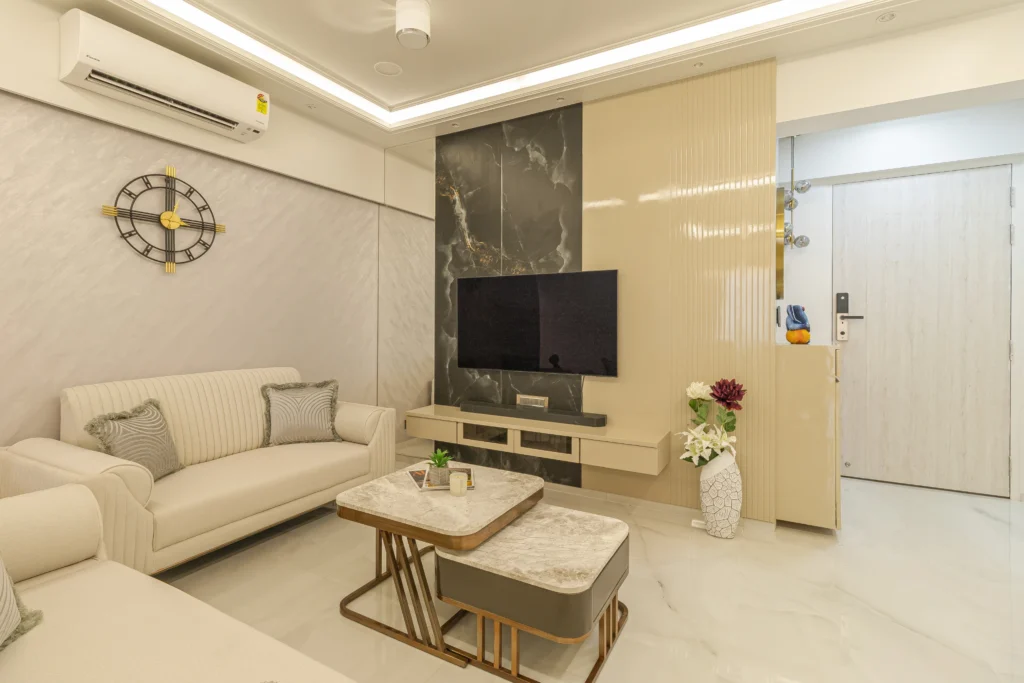
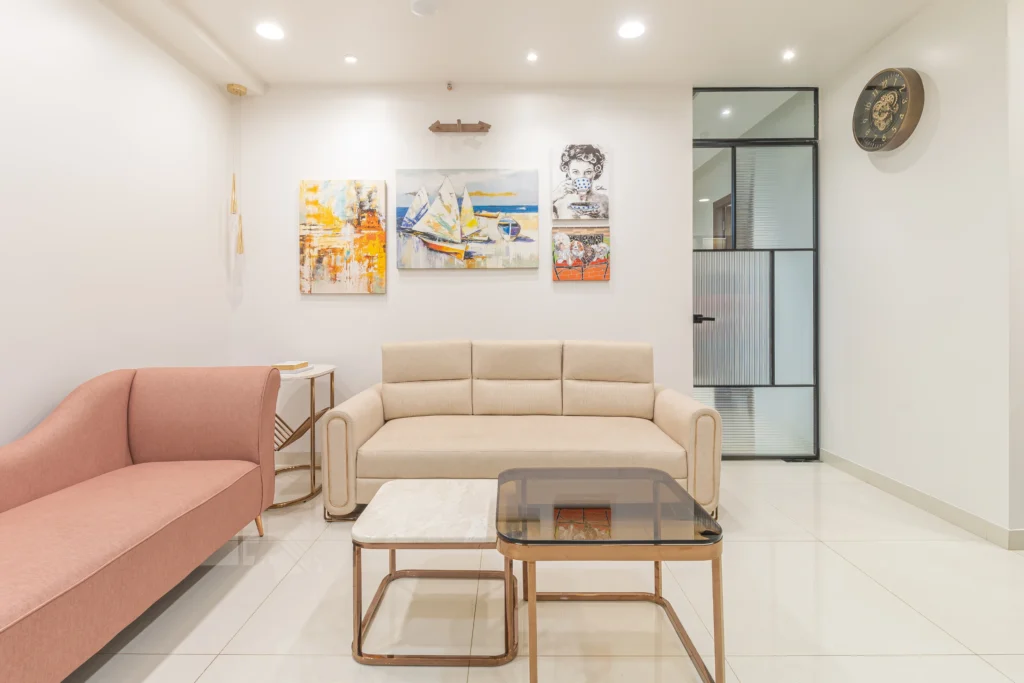
- Nested tables – Good for flexible use
Real Example:
In a 10×10-foot living room, a rectangular table made the room feel tight. When replaced with a round table, movement became easier, and the space felt bigger without changing anything else.
4. Material Matters More Than You Think
Material determines how long your table will last and how much effort it takes to clean.
Popular Materials Explained Simply:
- Wood – Strong, long-lasting, easy to clean
- Glass – Looks light but needs daily cleaning
- Marble/Stone – Heavy, premium look, very durable
- Engineered wood – Budget-friendly but shorter life
Cost vs Use:
- Wooden centre tables usually last 10–15 years
- Glass tables may need replacement in 4–6 years
- Marble tables can last 20+ years
If your budget allows, continually invest in better materials instead of changing furniture every few years.
5. Height Is Very Important (Comfort Comes First)
A centre table that is too high or too low becomes uncomfortable very quickly.
Ideal Height:
- Sofa seat height: 16–18 inches
- Centre table height: 14–18 inches
Common Mistake:
People buy tall tables because they “look stylish.” Later, they struggle to place cups or stretch awkwardly while sitting.
Design should make life easier, not harder.
6. Storage: Do You Really Need It?
Many people think storage is always a good thing. That’s not true.
Storage Is Useful If:
- You live in a small apartment
- You have kids’ toys or many remotes
- You want a clutter-free look
Storage Is Not Needed If:
- You already have side tables or cabinets
- You prefer a light, open look
- Your living room is spacious
7.Match It With the Rest of the Room
Simple Matching Tips:
- Light sofa – Dark or warm wood table
- Dark sofa – Light or neutral table
- Busy room – Simple table
- Simple room – Statement table
Always take a photo of your living room while shopping. It helps you choose better.
8. Styling the Centre Table (Less Is More)
Many people overload their centre table with decorations.
Keep It Simple:
- One tray
- One small plant or candle
- One book or decorative object
Leave at least 60% of the surface empty for daily use.
9. Final Buying Checklist (Save This)
Before you buy, check these points:
- Room measured properly
- Comfortable height
- Safe edges
- Suitable material
- Right shape
- Easy movement
- Practical storage (if needed)
- Matches the sofa and room style
- Within budget
- Easy to clean
If all boxes are ticked, you are making the right choice.
Final Thoughts:
A centre table is not just furniture. It is part of your daily routine. The right one makes your living room comfortable, practical, and beautiful. The wrong one becomes a daily irritation.
As a Residential Interior Designer, I always tell my clients that good design is not about trends; it is about comfort and real-life use.
If you feel confused or want expert guidance before buying furniture, Spriha Jain helps homeowners choose furniture that fits their space, lifestyle, and budget, not just what looks good in pictures.
A well-chosen centre table can quietly improve your everyday living, and that’s what good design is all about.