The Ultimate Guide to Wall Textures for Modern Indian Interiors
When we think about designing a home, most people focus only on colour and furniture. But ask any Best Interior Designer in Kandivali, and they will tell you that the real magic lies in texture. Texture is what turns a flat wall into a feature wall, a simple room into a luxury space, and a basic home into a designer home.
In modern Indian interiors, especially in cities like Mumbai, where apartments are compact, wall textures play a huge role. They add depth, reflect light beautifully, hide wall imperfections, and create a premium look without always increasing the budget.
This guide by Spriha Jain Interiors will help you understand wall textures in very simple terms, the different types, where to use them, budget options, and how to choose the right one for your home.
What Is Wall Texture in Simple Words?
Wall texture means giving your wall a surface design instead of keeping it plain and flat. It can be:
- Rough like stone
- Smooth like suede
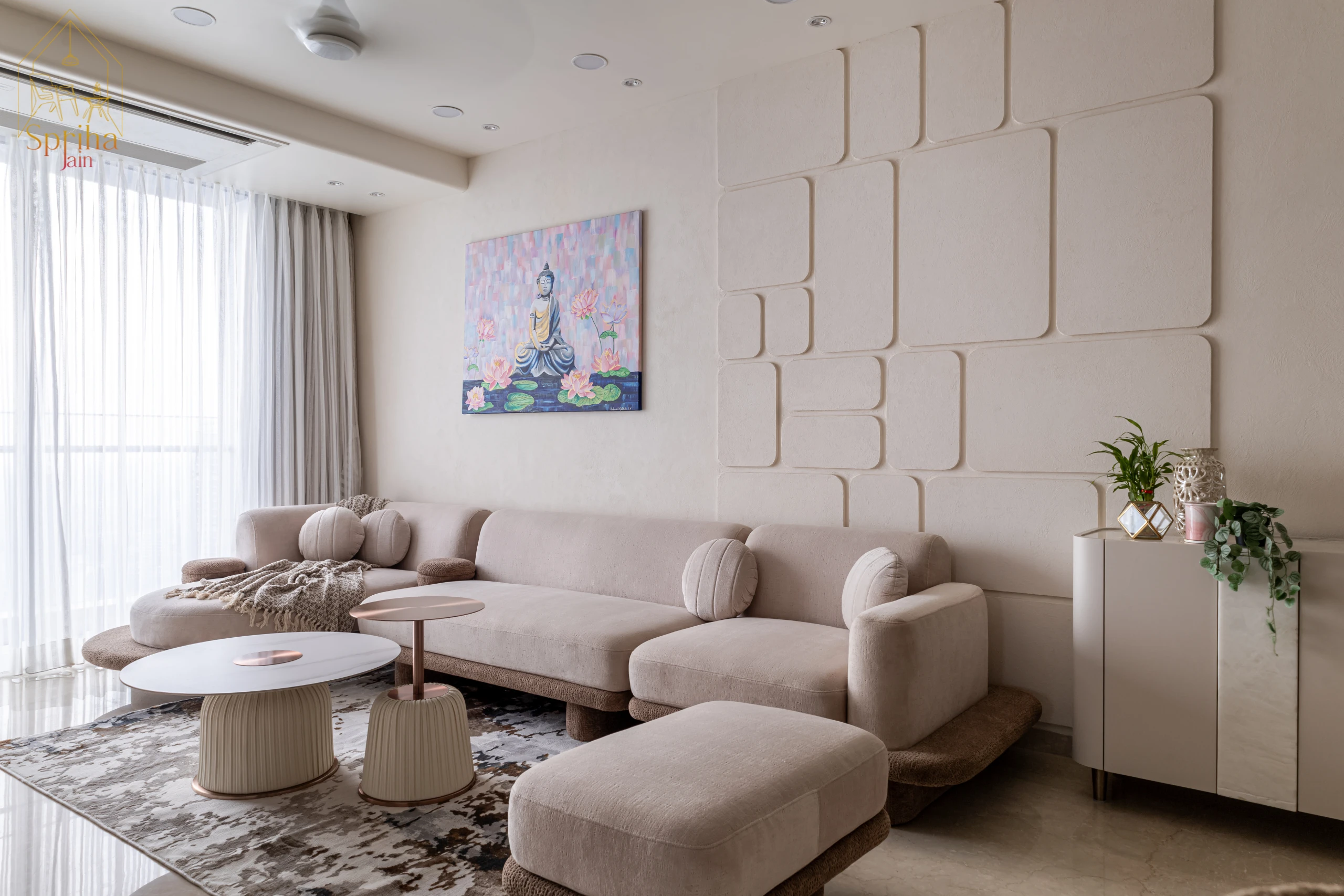
- Patterned like 3D panels
- Wooden, concrete, or metallic finish
Even if two rooms have the same paint colour, the textured one will always look richer and more stylish.
Why Wall Textures Are Perfect for Modern Indian Homes
Here’s why textures are trending in 2026 interiors:
- They make small rooms look more interesting
- They hide uneven plaster and wall defects
- They reduce the need for too much décor
- They create a luxury look on a controlled budget
- They work well with neutral colour palettes
For example, in a 2BHK Mumbai apartment, instead of filling the living room with heavy furniture, a simple fluted panel TV wall can become the focal point.
The 4 Types of Texture in Interior Design
Understanding these four types will help you make better design decisions.
1. Actual (Tactile) Texture – You Can Feel It
This is a real texture that you can touch.
Examples:
- Stone cladding
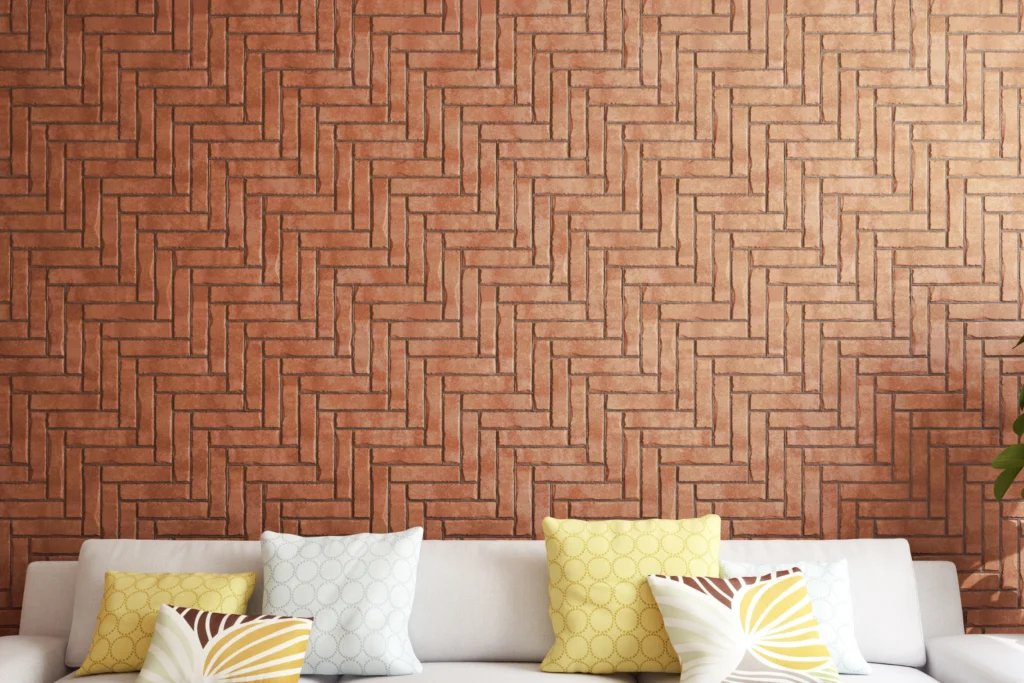
- Brick wall
- Wooden panels
- Rough plaster finish
Best used for: TV walls, foyer areas, and balcony walls.
Real Example: In many Kandivali homes, clients prefer wooden slat panels behind the TV because they are warm, modern, and easy to maintain.
2. Visual Texture – Looks Textured but Is Smooth
This texture is only seen, not felt.
Examples:
- Marble finish laminate
- Concrete look paint
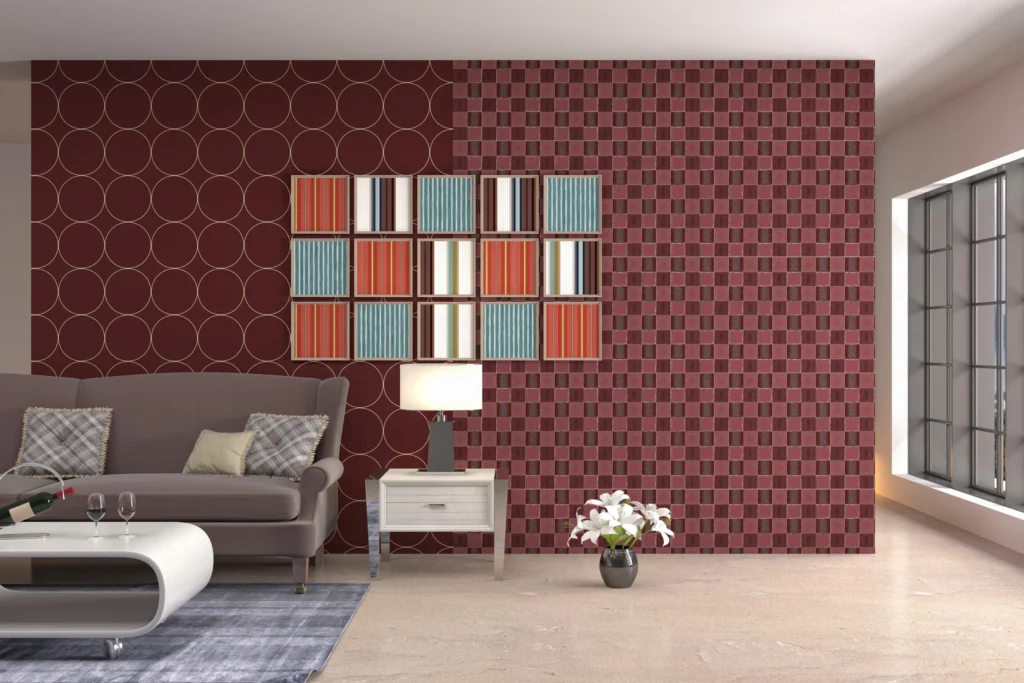
- Textured wallpaper
It gives a designer look but is more budget-friendly.
Perfect for: Bedrooms, rented homes, and small spaces.
3. Pattern Texture – Repeated Design for Depth
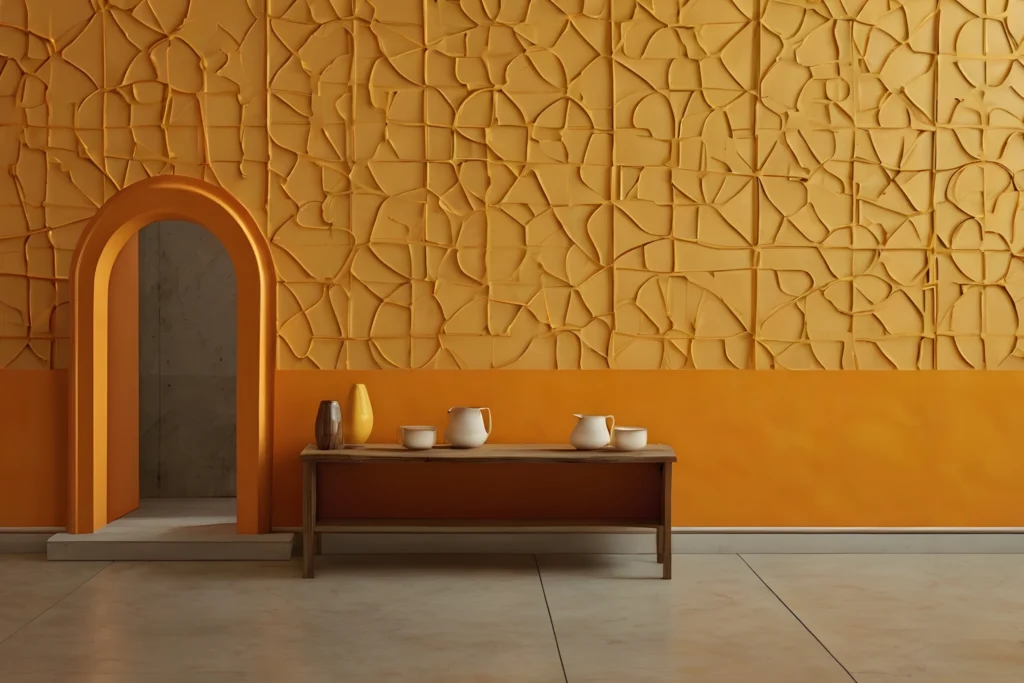
This comes from shapes and patterns.
Examples:
- Fluted panels
- 3D wall tiles
- Geometric paint patterns
- CNC cut panels
These are very popular in modern Indian interiors.
4. Implied Texture – Created Through Styling
This is done using décor and layering.
Examples:
- Wall with artwork + wall light + panel moulding
- Upholstered headboard + wallpaper combo
- Wooden shelf + textured paint background
Minimalist homes often use this technique to add warmth.
Top Wall Texture Ideas for Modern Indian Interiors
1. Fluted Panel Walls – The Most Trending Design
Fluted panels are vertical grooves that instantly make a wall look taller and more elegant.
Why people love it:
- Works in small living rooms
- Looks premium even in neutral colours
- Easy to maintain
2. Stone or Brick Cladding for a Natural Look
If you want an earthy and warm feel, stone textures are perfect.
Best for:
- TV unit wall
- Balcony seating area
- Pooja room backdrop
Budget tip: Use stone-finish tiles instead of real stone to save almost 40%.
3. Texture Paint for Budget Homes
Texture paint is one of the most affordable ways to create a feature wall.
Popular finishes:
- Suede finish
- Sand texture
- Metallic texture
4. Wallpaper with Subtle Texture
Modern wallpapers now come in linen, grasscloth, and fabric finishes.
Best for:
- Bedrooms
- Guest rooms
- Study rooms
They add softness and luxury without making the room heavy.
5. Concrete Finish for Modern Minimal Homes
Concrete texture is perfect for people who love a modern, industrial look.
It works beautifully with:
- Black metal lights
- Wooden furniture
- Neutral colour palettes
How to Choose the Right Texture for Your Room
Here is a simple formula used by designers:
1. For Small Rooms
Use light colours + subtle texture
Example: Beige suede finish wall
2. For Living Rooms
Create one strong focal wall
Example: Fluted panel TV wall
3. For Bedrooms
Use soft and calming textures
Example: Upholstered headboard + wallpaper
4. For Rental Homes
Use wallpaper or texture paint instead of permanent panelling
Common Mistakes to Avoid
- Using texture on all four walls
- Choosing dark textures in small rooms
- Mixing too many materials together
- Ignoring lighting (texture needs light to show its depth)
A good rule: One textured wall per room is enough.
Why Textures Matter More Than Colour in 2026
Modern interiors are moving towards:
- Neutral colour palettes
- Minimal furniture
- Clean layouts
In such homes, texture becomes the main design element. Without it, the space looks flat and unfinished.
Final Thoughts
Wall textures are not just a design trend; they are a smart way to make your home look luxurious, spacious, and well-designed without significantly increasing your budget.
By understanding the four types of textures and using them correctly, you can:
- Highlight focal areas
- Add warmth to minimalist spaces
- Hide wall imperfections
- Create a premium designer look
Whether you choose fluted panels, texture paint, wallpaper, or stone finish, the key is balance and proper placement.
If you are planning to upgrade your home and want expert guidance, Spriha Jain Interiors offers customized interior design services in Kandivali tailored to your space, lifestyle, and budget, so your home not only looks beautiful but also feels truly yours.