How Office Design Improves Employee Productivity
A productive workplace is not simply a room filled with desks, computers, and meeting tables. The way an office is planned can influence how comfortably employees work, communicate, concentrate, and recharge throughout the day. Good office design creates an environment that supports the way people actually work rather than forcing everyone into the same setup.
From natural light and comfortable furniture to quiet corners and well-planned collaboration areas, small design decisions can make a noticeable difference to the daily work experience. Research has also found strong links between workplace conditions, employee wellbeing, engagement, and performance.
At Spriha Jain Interiors, office design is approached with both aesthetics and functionality in mind. A thoughtfully designed workspace should look professional, but it should also help employees feel comfortable, focused, and motivated.
Why Does Office Design Matter for Productivity?
Employees spend a significant part of their day at work, so their surroundings naturally affect their experience. An uncomfortable chair, distracting noise, poor lighting, or a lack of privacy can make even simple tasks feel tiring.
On the other hand, a workplace with comfortable furniture, suitable lighting, accessible meeting areas, and spaces for focused work can remove everyday distractions.
Gallup research has found that office workers commonly value features such as good lighting, personal workspaces, areas for connecting with coworkers, comfortable temperatures, flexibility to move between work areas, outdoor views, and privacy when needed.
This is why productivity-focused office design is less about following a particular trend and more about understanding employees’ needs.
7 Ways Office Design Can Improve Employee Productivity
1. Natural Light Helps Create a Better Work Environment
Lighting is one of the first things to consider when planning an office. A workspace that depends entirely on harsh artificial lighting can feel unpleasant, particularly during long working hours.
Where possible, desks and commonly used areas can be positioned to benefit from natural daylight. Windows, glass partitions, lighter finishes, and carefully planned artificial lighting can also help distribute light more effectively.
Research on workplace environments has highlighted light as an important factor influencing employee performance, happiness, and wellbeing. A simple goal is to make the office feel bright without creating glare on computer screens.
2. Comfortable Furniture Reduces Everyday Discomfort
Employees should not have to constantly adjust their chairs, stretch their backs, or shift around because their workstation is uncomfortable.
Ergonomic furniture does not need to look clinical. Modern office interiors can incorporate supportive chairs, appropriately sized desks, monitor positioning, and practical storage while maintaining a polished appearance. For offices where space is limited, exploring space-saving modular furniture ideas for offices can also help create a more organised and functional workspace.
Comfort matters because physical discomfort can become a constant distraction. A well-designed workstation allows employees to concentrate on their work instead of thinking about the furniture around them.
3. Quiet Areas Improve Concentration
Not every task requires conversation. Employees may need uninterrupted time for writing, analysis, calls, planning, or work that demands deep concentration. This is where quiet zones can make a difference.
Instead of creating one completely open office, consider a combination of open workstations, enclosed rooms, small focus areas, and meeting spaces. Research into office design suggests that collaboration and focused work require different environments. A quiet corner or small enclosed workspace can therefore be just as valuable as a large conference room.
4. Color Psychology
The colours used in an office have a direct impact on how employees feel and perform throughout the day. Different shades can influence mood, energy levels, focus, and even creativity, making colour selection an important part of workplace design.
For example, softer tones like blues and greens are often associated with calmness and concentration, making them suitable for focused work areas. Warmer shades such as yellows and oranges can encourage energy, communication, and creativity, which work well in collaborative or brainstorming spaces. Neutral colours like whites, greys, and beiges help create a clean, balanced environment that supports a professional atmosphere without overwhelming the senses.
When used thoughtfully, colour can also help define different zones within an office. A well-planned colour palette can subtly guide employees through spaces, distinguishing between quiet zones, meeting areas, and collaborative sections without the need for physical barriers.
5. Collaboration Spaces Encourage Better Teamwork
Productivity is not always about working alone. Brainstorming, problem-solving, team discussions, and quick decision-making often work better when people can interact easily.
A good office can include informal discussion areas, meeting rooms, shared tables, breakout spaces, or comfortable seating where teams can gather without disturbing employees working nearby.
The important point is balance. An office should encourage collaboration without turning every area into a high-traffic conversation zone.
6. Plants and Natural Elements Can Make Offices Feel Better
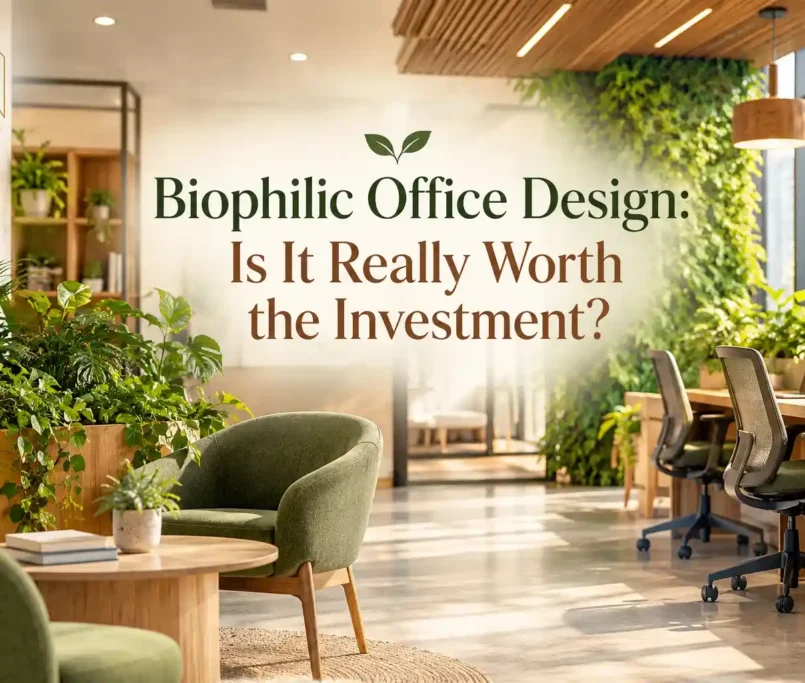
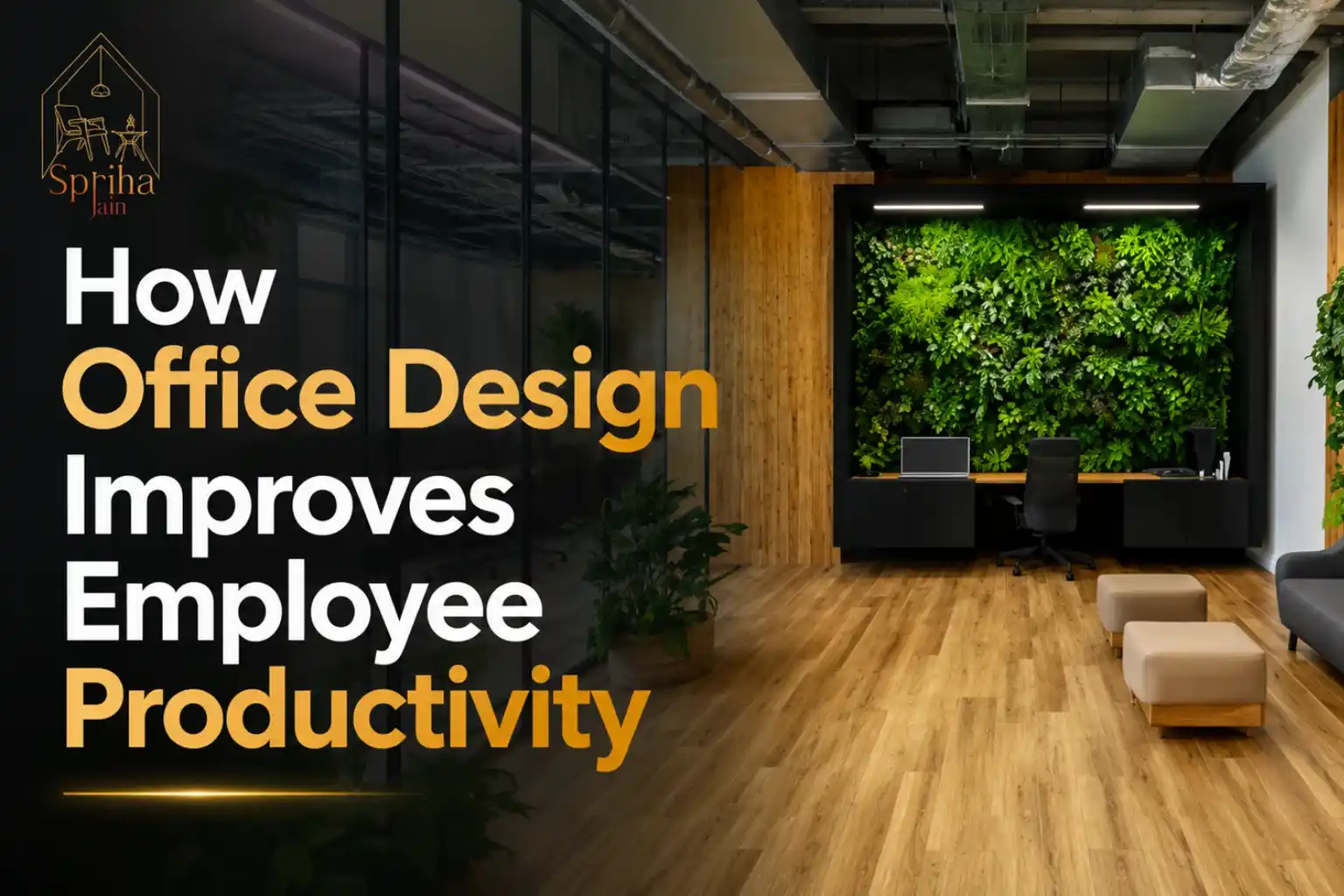
A workplace does not have to feel sterile to look professional. Indoor plants, natural textures, wood finishes, daylight, artwork inspired by nature, and views of greenery can introduce a calmer atmosphere. This approach is often associated with biophilic office design.
Research highlighted by Harvard Business Review has found positive effects from incorporating small natural elements into workplaces, including benefits related to employee performance and morale. Even a few well-placed plants can soften a space and make it feel more welcoming.
7. Flexible Spaces Support Different Working Styles
One employee may need complete concentration, while another may spend most of the day collaborating with a team. A single workstation arrangement cannot always support both needs equally well.
Flexible office design gives employees options.
For example, an office might include:
- Individual workstations for everyday tasks
- Small focus rooms for concentrated work
- Meeting rooms for formal discussions
- Informal seating for quick conversations
- Break areas for short periods of relaxation
- Shared spaces for team activities
This type of workplace gives employees more control over where and how they complete different tasks.
How to Create a Productive Office Design
1. Balance Aesthetics With Function
A beautiful office is valuable, but appearance should not come at the expense of usability.
For example, an impressive meeting table is not useful if the room becomes uncomfortable after an hour. Similarly, an attractive open workstation layout may not work if employees constantly struggle with noise. The strongest office interiors combine visual identity with practical planning.
2. Create a Workplace That Reflects the Brand
Office interiors also communicate something about a business. Colors, materials, furniture styles, lighting, artwork, and reception design can collectively influence how clients and employees perceive a company.
A creative business may benefit from an energetic and flexible environment, while a professional services firm may prefer a more refined and structured atmosphere. The design should feel connected to the company’s personality rather than copied from another workplace.
Common Office Design Mistakes
Even a spacious office can feel inefficient if it is not planned thoughtfully.
Some of the most common mistakes include:
- Designing too many open workstations without balance
- Overlooking noise control and acoustic comfort
- Using lighting that is either too dim or too harsh
- Selecting furniture based only on appearance rather than ergonomics
- Not providing dedicated quiet or focus areas
- Underestimating storage needs, leading to clutter
- Creating meeting rooms that are too small or poorly equipped
- Allowing circulation pathways to become cramped or blocked
- Overfilling the space with excessive furniture or décor elements
Ultimately, the most effective office design is not the one with the most features, but the one that supports smooth, comfortable, and efficient day-to-day work.
The Role of Interior Designers in Efficient Office Spaces
Designing a productive office involves more than selecting attractive furniture and colours. It requires understanding movement, employee behaviour, space requirements, lighting, privacy, storage, collaboration, and the overall identity of the business. An experienced commercial interior designer can bring these elements together into one cohesive plan.
For businesses planning a new workspace or renovating an existing one, Spriha Jain Interiors can help create commercial interiors that balance functionality, comfort, aesthetics, and the way employees actually use the space.
Conclusion
Office design can influence much more than the appearance of a workplace. The right combination of lighting, furniture, acoustics, natural elements, privacy, collaboration areas, and flexible spaces can create an environment where employees can work more comfortably and effectively.
There is no single office layout that works for every business. The most productive workplace is one designed around the people who use it every day.
If you are planning a new office or considering a workspace makeover, Spriha Jain Interiors can help you create an office that feels professional, practical, comfortable, and aligned with your team’s working style.
FAQs
- Is Open Office Design Better for Productivity?
Open office design can improve communication and collaboration, but it may also increase noise and distractions. A balanced layout combining open workstations, quiet zones, private rooms, and collaborative spaces is generally more effective for different work requirements. - What Colors Are Best for Improving Productivity in an Office?
Blue and green are commonly used to create calm, focused work environments, while yellow and orange can encourage energy and creativity. Neutral shades can provide balance. The best office colour scheme depends on the work performed in each area. - How Can Office Design Reduce Workplace Distractions?
Office design can reduce distractions by separating noisy and quiet areas, providing private focus rooms, improving acoustic comfort, and positioning meeting spaces away from concentrated work zones. Clear circulation paths and organised storage can also reduce visual clutter. - How Should an Office Be Designed for Different Working Styles?
An office should provide a mix of individual workstations, quiet focus rooms, meeting areas, collaborative zones, and informal seating. This gives employees flexibility to choose spaces that suit different tasks, including focused work, teamwork, meetings, and creative activities. - How can I incorporate biophilic design into a small office?
In a small office, incorporate biophilic design through indoor plants, natural wood finishes, daylight, nature-inspired artwork, earthy textures, and views of greenery. Vertical planters and compact potted plants can introduce natural elements without taking up valuable floor space.