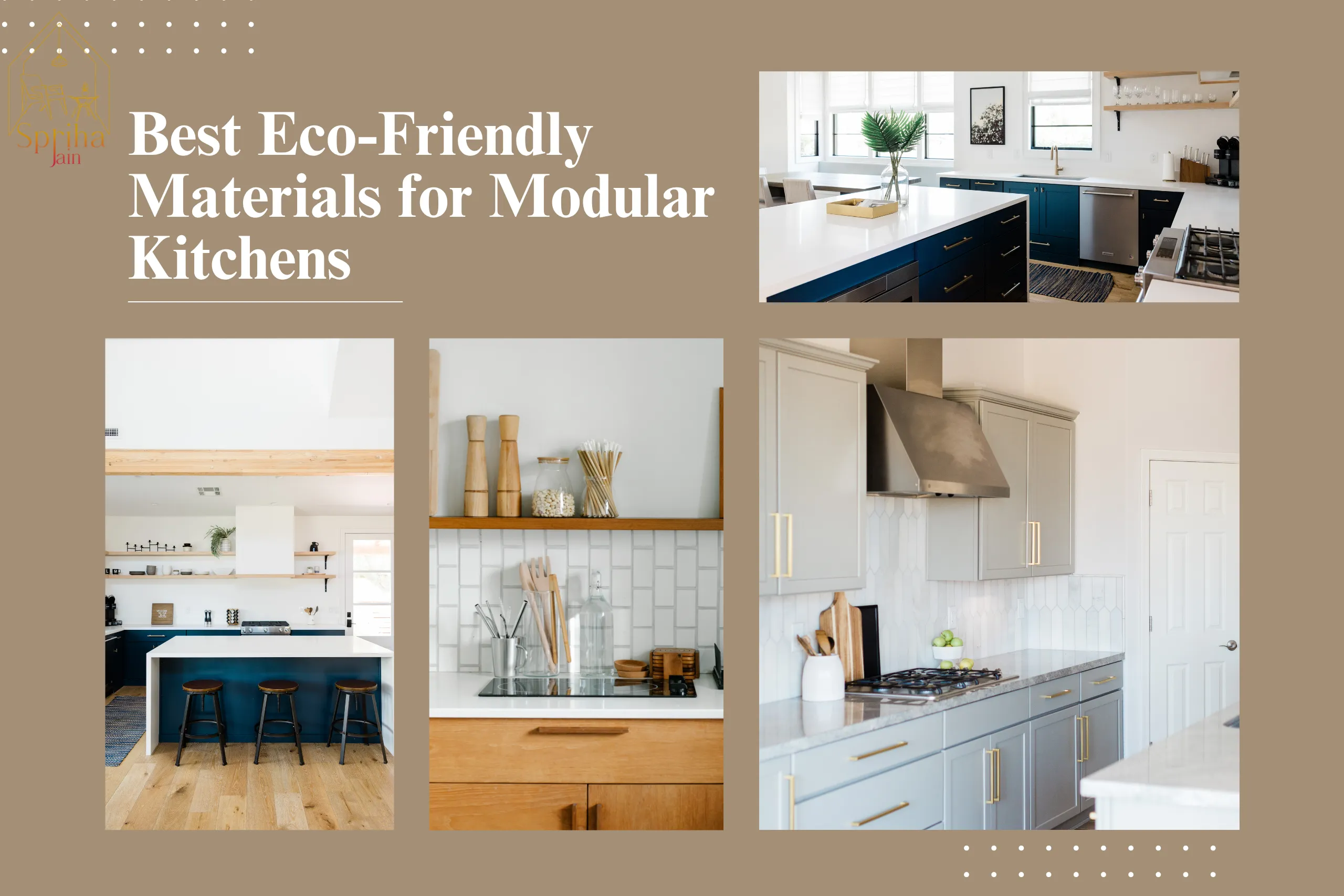
Designing a modular kitchen is no longer just about looks. Today, many homeowners want a kitchen that is stylish, durable, easy to maintain, and environmentally responsible. If you are planning a kitchen renovation or a new home, choosing eco-friendly materials can reduce waste, improve indoor air quality, and create a healthier living space for your family.
Many people who opt for Residential Interior designing services are now asking one important question: “Which materials are sustainable without compromising on quality and design?” This guide will help you understand the best eco-friendly materials for modular kitchens, their benefits, costs, and where they work best.
Why Choose Eco-Friendly Materials for a Modular Kitchen?
Traditional kitchen materials often contain chemicals, high-emission adhesives, or non-recyclable components. Eco-friendly materials focus on sustainability, durability, and lower environmental impact.
Benefits of using eco-friendly materials:
- Reduce harmful VOC (Volatile Organic Compound) emissions.
- Improve indoor air quality.
- Lower long-term maintenance costs.
- Increase the lifespan of kitchen furniture.
- Support sustainable manufacturing practices.
For example, a family that replaces low-quality laminate cabinets every 5–6 years may spend more over time than a family investing in durable eco-friendly plywood that lasts 12–15 years.
1. FSC-Certified Plywood
FSC-certified plywood is a great option for kitchen cabinets if you’re looking for a more sustainable choice. The FSC (Forest Stewardship Council) certification means the wood has been sourced from forests that are managed responsibly, helping protect both nature and local communities.
Why it’s eco-friendly
Highly Recommended
- Made from sustainably sourced wood.
- Uses controlled forestry practices.
- Available in various thicknesses for modular kitchens.
Best for
- Cabinets
- Loft storage
- Drawer units
- Kitchen islands
2. Bamboo Panels
One of bamboo’s biggest advantages is its rapid growth, as it matures far quicker than conventional hardwood trees. Some species can grow up to 3 feet per day, making bamboo one of the most renewable materials available.
Advantages:
Renewable
- Lightweight yet strong.
- Moisture-resistant when treated properly.
- Gives a warm natural finish.
Best for
- Cabinet shutters
- Open shelves
- Decorative panels
3. Recycled Wood
Reclaimed or recycled wood is sourced from old furniture, buildings, or industrial structures.
Why homeowners love it
Unique Character
- Reduces landfill waste.
- Each piece has a unique texture.
- Adds character to modern kitchens.
Best for
- Accent cabinets
- Breakfast counters
- Feature walls
4. Low-VOC Laminates and Adhesives
Many modular kitchens use laminates and adhesives that release chemicals into the air. Low-VOC products significantly reduce these emissions.
Good choice for
Healthier Indoor Air
- Families with children.
- People with allergies.
- Compact apartments with limited ventilation.
5. Quartz Countertops
While natural stone is popular, engineered quartz is often a more sustainable option because it uses recycled stone particles and offers excellent durability.
Benefits
Long Lasting
- Non-porous surface.
- Stain-resistant.
- Long lifespan (15–20 years).
- Requires less maintenance than many natural stones.
Example
A family cooking three meals daily will generally find quartz easier to maintain than marble, which may require periodic sealing.
6. Recycled Glass Countertops
These countertops are made using crushed recycled glass mixed with resin or cement.
Ideal for
Modern Look
- Contemporary kitchens.
- Homeowners want a unique look.
- Eco-conscious interior designs.
7. Stainless Steel Components
Stainless steel is fully recyclable and highly durable.
Use it for
100% Recyclable
- Sink units
- Pull-out baskets
- Drawer channels
- Storage accessories
Why it matters
Good-quality stainless steel hardware can easily last 10–15 years, reducing replacement waste.
Which Material Is Best for Indian Kitchens?
For most Indian homes, especially in cities with humidity and heavy daily cooking, this combination works well:
Kitchen Part | Recommended Eco-Friendly Material |
Cabinets | FSC-certified plywood |
Shutters | Low-VOC laminate |
Countertop | Quartz |
Accessories | Stainless steel |
Accent elements | Bamboo or recycled wood |
Planning the Layout Matters Too
Choosing sustainable materials is important, but the kitchen layout is equally important. Many homeowners get confused between U-Shaped vs L-Shaped Kitchens.
L-shaped kitchens generally work well in compact apartments and open layouts because they use two adjacent walls efficiently.
U-shaped kitchens provide more storage and countertop space, making them ideal for larger families or homes where cooking is frequent.
For example:
- 2BHK apartment: An L-shaped kitchen with plywood cabinets and quartz countertops can maximize movement space.
- 3BHK family home: A U-shaped kitchen with additional storage units can improve organization and workflow.
Real-Life Cost Comparison
Material Choice | Estimated Lifespan |
Low-quality particle board | 4–6 years |
FSC plywood + laminate | 12–15 years |
Quartz countertop | 15–20 years |
Stainless steel hardware | 10–15 years |
A homeowner spending ₹2.8 lakh on a quality eco-friendly modular kitchen may avoid major repairs for over a decade, while a cheaper setup may require replacements much earlier.
How to Make Your Modular Kitchen More Sustainable
- Use LED lighting.
- Install water-saving faucets.
- Choose recyclable storage accessories.
- Opt for durable materials that need fewer replacements.
- Reuse existing cabinets where possible during renovation.
Final Thoughts
An eco-friendly modular kitchen is not just a trend, it is a smart long-term investment. The right materials can improve durability, reduce maintenance, and create a healthier home environment.
For most Indian households, a combination of FSC-certified plywood, low-VOC laminates, quartz countertops, and stainless steel hardware offers the best balance of sustainability, functionality, and style. The key is to choose materials based on your cooking habits, family size, budget, and kitchen layout.
While planning your kitchen, don’t forget practical details like storage organization and Kitchen Trolley Designs. Well-designed trolleys, pull-out units, and drawer systems can make everyday cooking easier while maximizing available space.
And if you’re looking for a kitchen that is both beautiful and sustainable, Spriha Jain Interiors can help you select the right eco-friendly materials, layout, storage solutions, and finishes that suit your home perfectly. A thoughtfully designed modular kitchen should not only look modern but also remain functional and durable for many years.
Frequently Asked Questions (FAQs)
1.What is the most eco-friendly material for kitchen cabinets?
FSC-certified plywood is one of the best eco-friendly choices because it comes from responsibly managed forests and offers excellent durability.
2.Is bamboo suitable for Indian kitchens?
Yes, treated bamboo panels can work well for cabinet shutters and decorative elements in modular kitchens.
3.Do eco-friendly kitchens cost more?
The initial cost may be slightly higher, but durable materials often reduce maintenance and replacement expenses over time.
4.Which layout is better for a small kitchen?
An L-shaped kitchen is usually more space-efficient for compact apartments and smaller homes.
5.How long can a good modular kitchen last?
A well-built modular kitchen using quality plywood, quartz, and stainless steel hardware can easily last 12–20 years with proper maintenance.