
Wooden Flooring vs Vitrified Tiles: Which Is Better for Indian Homes?
Flooring is one of those choices you live with every single day, quite literally. When families sit down with us to plan a new flat or a renovation, the debate of wooden flooring vs vitrified tiles comes up almost every time. One promises warmth and a cosy, boutique-hotel feel. The other promises easy cleaning and a floor that shrugs off the Mumbai monsoon. Both are good options. The real question is which one fits your home, your family, and how you actually live.
At Spriha Jain Interiors, we’ve helped many homeowners across Mumbai’s western suburbs make this call, from compact 1BHKs to large family residences. This guide breaks down what each floor is really like to live with, where each one shines, and how to choose without regretting it two monsoons later.
The short answer: for most Indian homes, vitrified tiles are the better pick for living areas, kitchens, bathrooms and balconies, while wooden flooring works best in bedrooms and quiet, low-traffic rooms. Many families get the best of both by combining them.
What Is Wooden Flooring?
Wooden flooring brings the look and warmth of natural wood into your home. It feels softer and warmer underfoot than stone or tile, and it instantly makes a room feel calm and inviting. It also softens sound, so rooms feel less echoey and more relaxed.
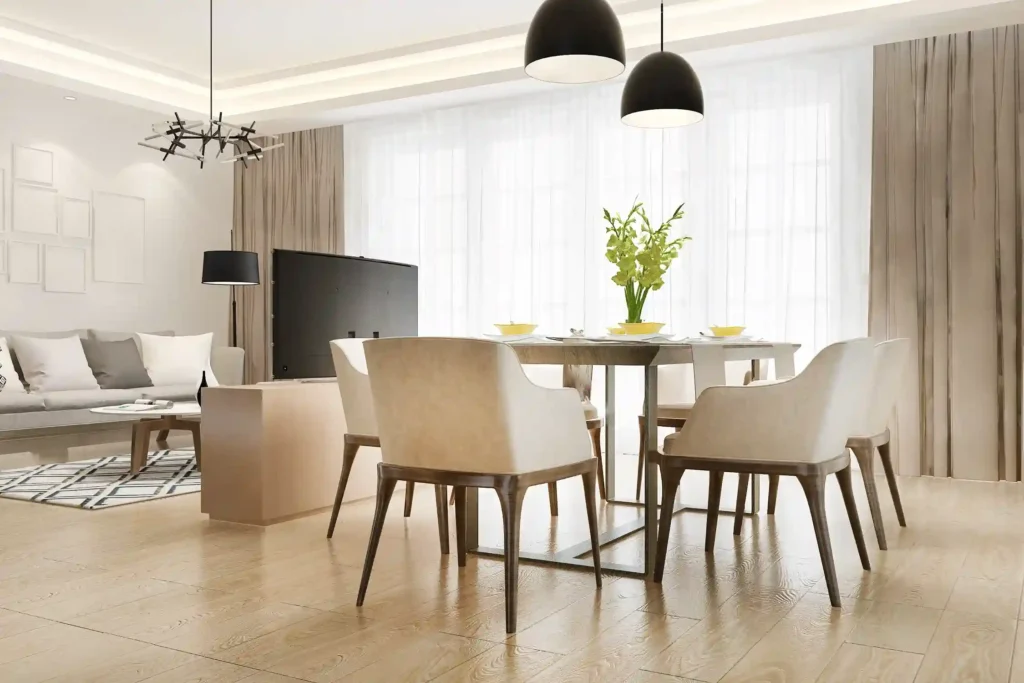
Types of Wooden Flooring
1. Solid Hardwood
These are planks cut from a single piece of timber like teak, oak or walnut. They look stunning and can be sanded and polished many times over the years. They are also the most expensive and the most sensitive to moisture, so they need a dry, well-ventilated room.
2. Engineered Wood
A thin layer of real wood sits on top of a stable plywood base. You get the genuine look of timber, but the floor handles humidity better than solid wood. For most Mumbai apartments, this is the sweet spot for real wood.
3. Laminate Flooring
Laminate is a printed wood-look layer pressed onto a dense fibre board. It’s budget-friendly, quick to install and surprisingly realistic these days. However, it does not like standing water, and once the top layer is badly damaged, the plank usually has to be replaced.
Pros and Cons of Wooden Flooring
Pros:
- It feels warm and comfortable, which suits AC bedrooms and homes with elderly family members.
- It adds a rich, premium look that’s hard to copy fully.
- It can usually be installed over your existing tiles, which means less breaking and less dust.
What to watch out for:
- It is sensitive to water, humidity and termites if not treated well.
- It scratches more easily, especially with pets, heels or heavy furniture.
- Real wood options cost more than most tiles.
What Are Vitrified Tiles?
Vitrified tiles are made by firing clay and minerals at very high temperatures, which makes them dense, hard and almost waterproof. They’re the most common flooring in Indian homes for good reason: they’re tough, affordable and easy to clean with a daily mop.
You’ll usually see three kinds in showrooms. Double charge tiles have a thick pattern layer that wears slowly, so they suit busy areas. Glazed vitrified tiles (GVT) can copy the look of marble, stone or even wood. Full body tiles carry the same colour all the way through, so small chips are barely noticeable. You’ll also find polished glazed tiles (PGVT) with a glossy, marble-like shine, which look lovely in living rooms but can be slippery when wet.
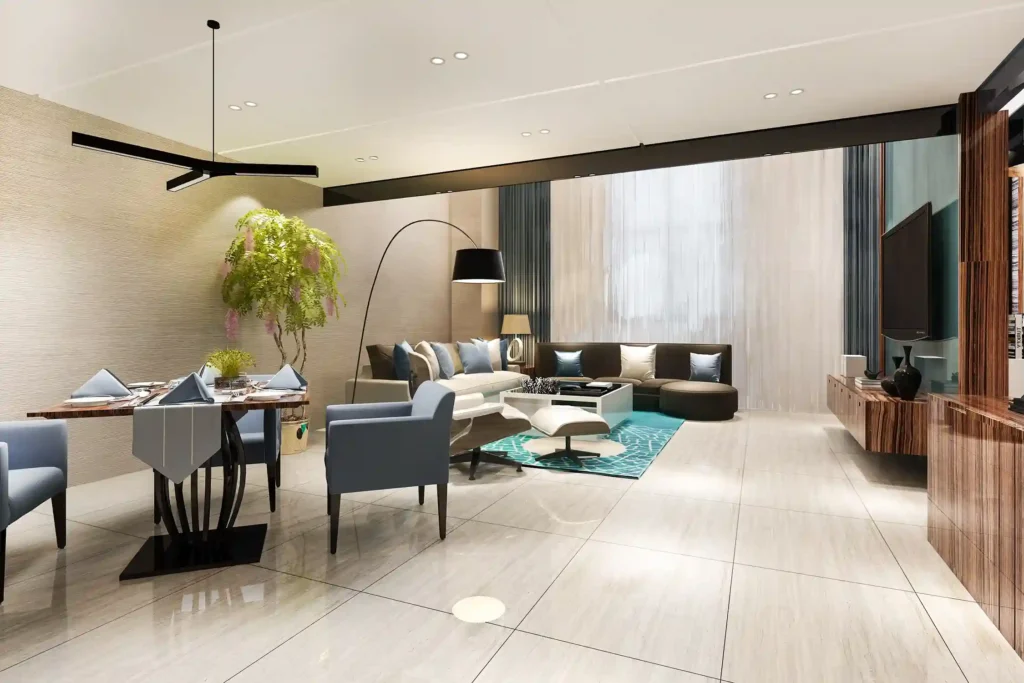
Pros and Cons of Vitrified Tiles
Pros:
- They handle water, spills and Mumbai’s humidity without any fuss.
- They resist stains and scratches, so they suit kids, pets and busy homes.
- They come in endless sizes, colours and finishes, including convincing wood-look designs.
What to watch out for:
- They feel cold and hard underfoot, especially in air-conditioned rooms.
- Glossy finishes can be slippery, and a heavy dropped object can chip a tile.
- Poor laying leads to uneven joints and hollow spots, so workmanship matters.
Wooden Flooring vs Vitrified Tiles: A Quick Comparison
Factor | Wooden Flooring | Vitrified Tiles |
Look and feel | Warm, natural, premium | Clean and bright, with many designs including wood-look |
Comfort underfoot | Soft and warm | Hard and cool |
Water resistance | Low to moderate (engineered is better) | Very high |
Scratch resistance | Low to moderate | High |
Daily cleaning | Damp mop, wipe spills quickly | Wet mop, very easy |
Typical lifespan | 10–15 years (laminate) to 30+ years (solid) | 20+ years |
Comfort and Feel
Wood wins here, no contest. It stays pleasant in AC rooms, feels gentle on your feet and knees, and cuts down echo. Tiles can feel cold in winter or in air-conditioned rooms, though a good rug solves most of that.
Durability in Mumbai’s Climate
This is where tiles pull ahead. Mumbai’s humidity and heavy monsoons are hard on wood. Solid wood can swell or develop gaps if moisture creeps in, and laminate can lift at the edges if water sits on it. Vitrified tiles simply don’t care about humidity, spills or wet feet.
Maintenance and Daily Cleaning
Most Indian homes mop floors every day, often with plenty of water. Tiles are made for that routine. Wooden floors need a damp, not wet, mop and quick wiping of spills. If your house help is used to a soaking-wet pocha, wood will need some new habits.
Budget and Long-Term Value
Vitrified tiles are usually the more affordable choice, both upfront and over time. Laminate is the budget-friendly way to get a wooden look, while engineered and solid wood cost more. That said, a well-kept solid wood floor can be refinished and last for decades, which adds real value to your home.
Which Flooring Works Best in Each Room?
Living Room: Both work beautifully. Choose large-format tiles for a sleek, easy-care look, or engineered wood if you want warmth. Wood-finish tiles are a clever middle path.
Bedrooms: Wooden flooring is our first suggestion here. Bedrooms see less water and less footfall, and the warmth of wood makes them feel restful.
Kids’ Room: Go for scratch-resistant laminate or matt tiles with a soft rug. Both survive toys, spills and craft experiments far better than solid wood.
Kitchen and Bathrooms: Stick with vitrified tiles. Water, oil and constant cleaning make these areas a poor match for wood. Pick matt or anti-skid finishes for safety.
Balconies and Entryways: Tiles again. These spaces face rain, dust and outdoor shoes, so you want something that can take a hard scrub.
Our Take: The Smart Mix Many Mumbai Homes Choose
Here’s what we see working best in real homes: you don’t have to pick just one. Many of our clients use vitrified tiles in the living, dining, kitchen and wet areas, then add engineered wood or good-quality laminate in the bedrooms. You get easy upkeep where life gets messy and warmth where you rest.
The key is planning the transition. Floor levels, threshold strips and colour tones need to flow so the change looks intentional, not patchy. This is where professional Interior Designing Services in Borivali make a real difference, because small details like skirting, door clearance and levelling decide how the finished floor looks and lasts.
Common Flooring Mistakes to Avoid
We’ve seen these mistakes cost families a lot of money and peace of mind, so they’re worth a quick check.
- Choosing only from a showroom photo: A tile or plank looks very different under your home’s light. Always ask for a sample and view it at home in daylight and at night.
- Ignoring dampness: Ground-floor flats and walls with seepage are risky for wood. Fix moisture issues first, or choose tiles for those rooms.
- Skipping the underlay: Wooden floors need a proper moisture barrier and underlay. Without it, even good planks can bulge or sound hollow.
- Going too glossy: High-gloss tiles look grand in a showroom but can be slippery for kids and elderly parents. Matt or satin finishes are safer for daily life.
- Forgetting door heights: New flooring raises the floor level slightly. Doors and wardrobe shutters may need trimming, so plan this before installation.
Simple Care Tips to Make Your Floor Last
For Wooden Flooring
Use felt pads under furniture legs and keep a doormat at every entry. Wipe spills straight away and use a well-wrung mop instead of a wet one. During the monsoon, keep rooms ventilated or run the AC on dry mode to control humidity.
For Vitrified Tiles
Mop with mild, pH-neutral cleaners rather than harsh acids, which can dull the surface over time. Get grout lines cleaned or resealed every couple of years so they stay neat and don’t trap dirt.
How to Choose Between Wooden Flooring and Vitrified Tiles
Before you visit a showroom, answer these questions honestly:
- Do you have pets or very young kids at home?
- How is the floor cleaned every day, and by whom?
- Is your flat on a lower floor or prone to dampness?
- What is your budget per square foot, including installation?
- Do you want a warm, cosy feel or a bright, clean look?
If most answers point to a busy home, lots of water and a tight budget, tiles are your friend. If you want comfort and calm in low-traffic rooms, wood is worth it.
Still unsure? Talking to an experienced residential interior designer in Borivali can save you from costly mistakes. A good designer looks at your site conditions, sunlight, layout and lifestyle before recommending a floor, instead of going only by what looks nice in a catalogue.
Planning a shop, clinic or office as well? Our blog on Vinyl Flooring vs Wooden Flooring for Commercial Spaces explains how the choice changes when footfall goes up.
Final Thoughts
There’s no single winner in the wooden flooring vs vitrified tiles debate. Vitrified tiles are practical, affordable and built for Indian living. Wooden flooring is warm, elegant and perfect for the spaces where you unwind. The right choice depends on the room, your routine and your budget, and often, the smartest answer is a bit of both.
At Spriha Jain Interiors, we help homeowners pick materials that look beautiful on day one and still work years later. If you’re looking for a trusted residential interior designer in Borivali to guide your flooring and complete home design, we’d love to help.
Want to see and feel the options before you decide? Visit our office in Thakur Village, Kandivali East, to compare flooring samples in person. Our team offers complete Interior Designing Services in Borivali, Kandivali and across Mumbai, from material selection to final handover.
FAQs
1. Is wooden flooring suitable for Mumbai’s humid climate?
Solid wood can swell in Mumbai’s humid monsoon if moisture gets in. Engineered wood and good-quality laminate cope better, especially in bedrooms. Keep any wooden floor away from bathrooms, kitchens and balconies to stay safe.
2. Which is cheaper, wooden flooring or vitrified tiles?
Vitrified tiles usually cost less, roughly ₹80–300 per sq ft installed. Laminate starts near ₹120, engineered wood near ₹350, and solid wood can exceed ₹1,500 per sq ft, depending on brand and finish.
3. Can I use wooden flooring in the kitchen or bathroom?
Wooden flooring is not suitable for kitchens and bathrooms. Water, oil and frequent wet mopping can damage wood quickly. Anti-skid or matt vitrified tiles are the safer, longer-lasting choice for these wet areas.
4. Are wood-finish vitrified tiles a good alternative to real wood?
Wood-finish vitrified tiles look surprisingly real and are much easier to maintain. They are a smart pick for families who love the wooden look but want floors that handle water, pets and daily mopping.
5. How long does wooden flooring last?
Laminate lasts about 10 to 15 years with proper care, while engineered wood can last 20 to 30 years. Solid hardwood can last 30 years or more because it can be sanded and refinished.